When a city decides to tax streaming, the first reaction from many platforms is: you can’t really treat us like cable… can you? In Disney Platform Distribution v. City of Santa Barbara (B342211, Dec. 17, 2025, 2d Dist., Div. 6), the Court of Appeal said yes. It upheld Santa Barbara’s 5.75% video users tax as applied to Disney+, Hulu, and …

Rodriguez v. WNT: When Years of Discovery Abuse Kill Your Case, Section 473(b) Can’t Bring It Back
When a case gets dismissed as a discovery sanction, the first instinct for many litigants—and many lawyers—is to reach for Code of Civil Procedure section 473(b). The “mandatory relief” provision is often treated like a safety net: file an attorney affidavit of fault, and the court must undo the damage. But Rodriguez v. WNT, Inc. (Dec. 4, 2025, D084642) …
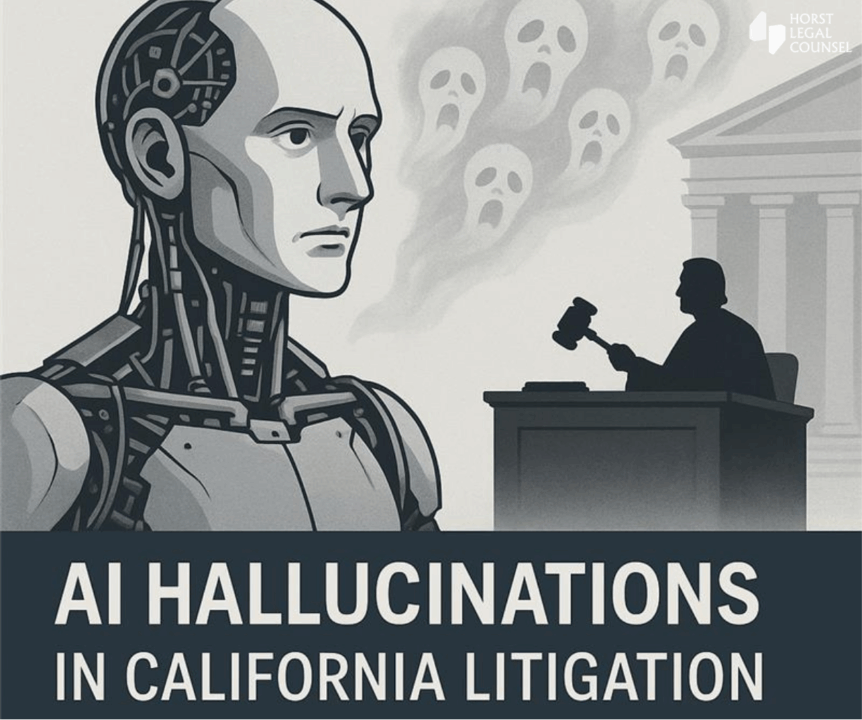
Shayan v. Shakib: California Lawyers Continue to Hallucinate, and the Court of Appeal Doesn’t Care How
Just two weeks ago, we posted a summary of what was then the latest in a growing series of appellate cases dealing with AI-hallucinated citations. Already, however, it has lost its novelty. Earlier this week, Shayan v. Shakib became the most recent reminder of California lawyers’ responsibility for the accuracy of the material that they submit to the courts. It …
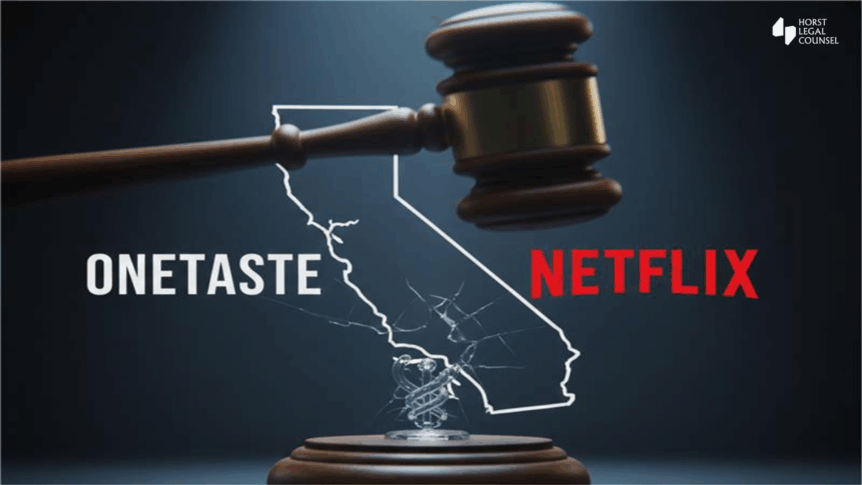
OneTaste v. Netflix: Court of Appeal SLAPPs risqué wellness company’s defamation suit over critical documentary
When a business believes a documentary has crossed the line from criticism to defamation, the natural instinct is to “fight back” with a lawsuit. OneTaste Incorporated v. Netflix, Inc. is a sharp reminder that in California, anti-SLAPP and the actual malice standard make that a very steep climb—especially against a global streaming platform. In this published decision, the Second District …
Schlichter v. Kennedy: California Courts Continue to Make Examples of “ChatGPT Lawyers”
Schlichter v. Kennedy: California Courts Continue to Make Examples of “ChatGPT Lawyers” Generative AI has become a part of many workflows for a lot of litigators, whether or not they say so out loud. But California’s appellate courts are drawing a very clear line: you can use AI as a tool, but you cannot shift your professional duties onto …
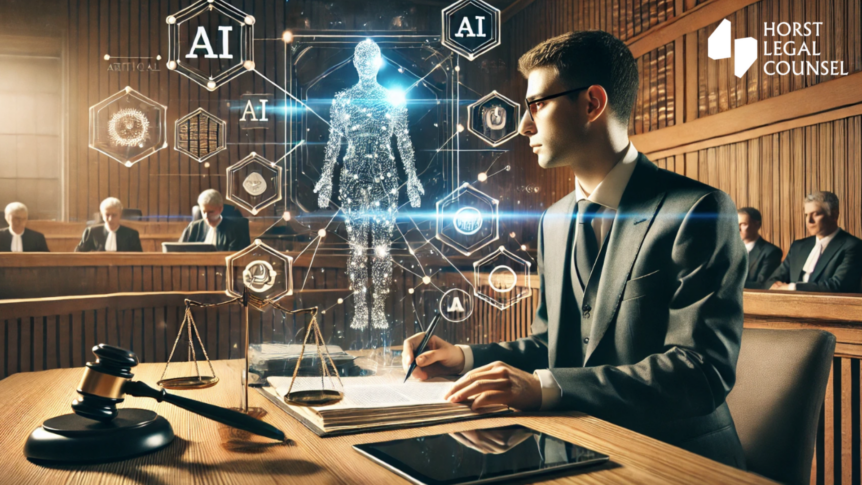
How AI Tools Are Reshaping Litigation: Efficiency with Caution
The legal profession is undergoing a transformation, driven in part by artificial intelligence (AI). Tools powered by AI are now capable of assisting with tasks like legal research, document review, and even drafting initial pleadings. These tools offer significant benefits to lawyers, particularly in litigation, by improving efficiency and reducing time spent on repetitive tasks. However, the responsible use of …